

Be one of the first.
Competitive pricing, our full attention, and a studio that will still be answering the phone in a year.

We have no client sites to show you yet, so here are the ones we made ourselves. Every page, image and line of code below was produced in this studio, which means you can open any of them right now and judge the craft rather than take our word for it.
Website Design Project

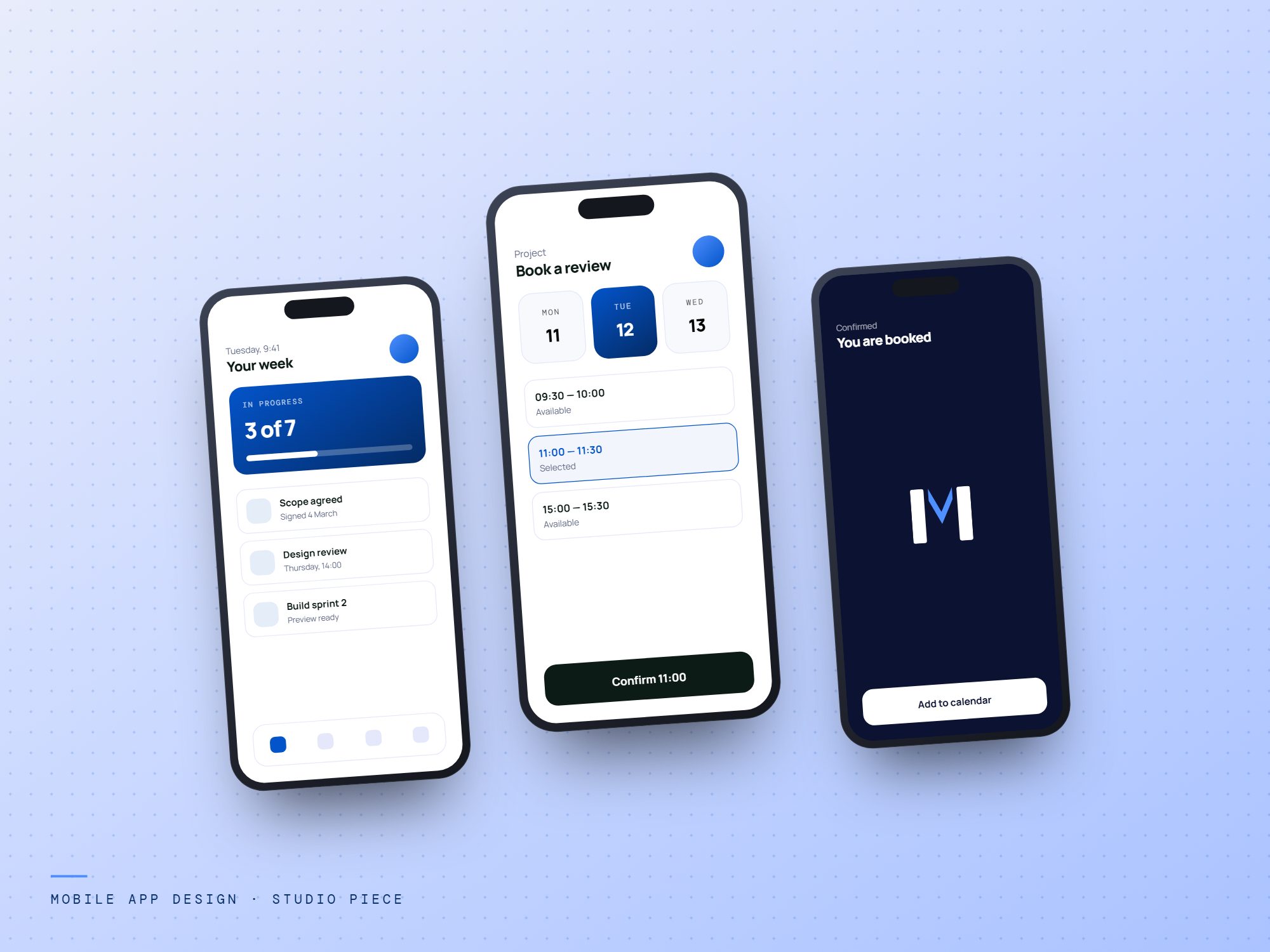
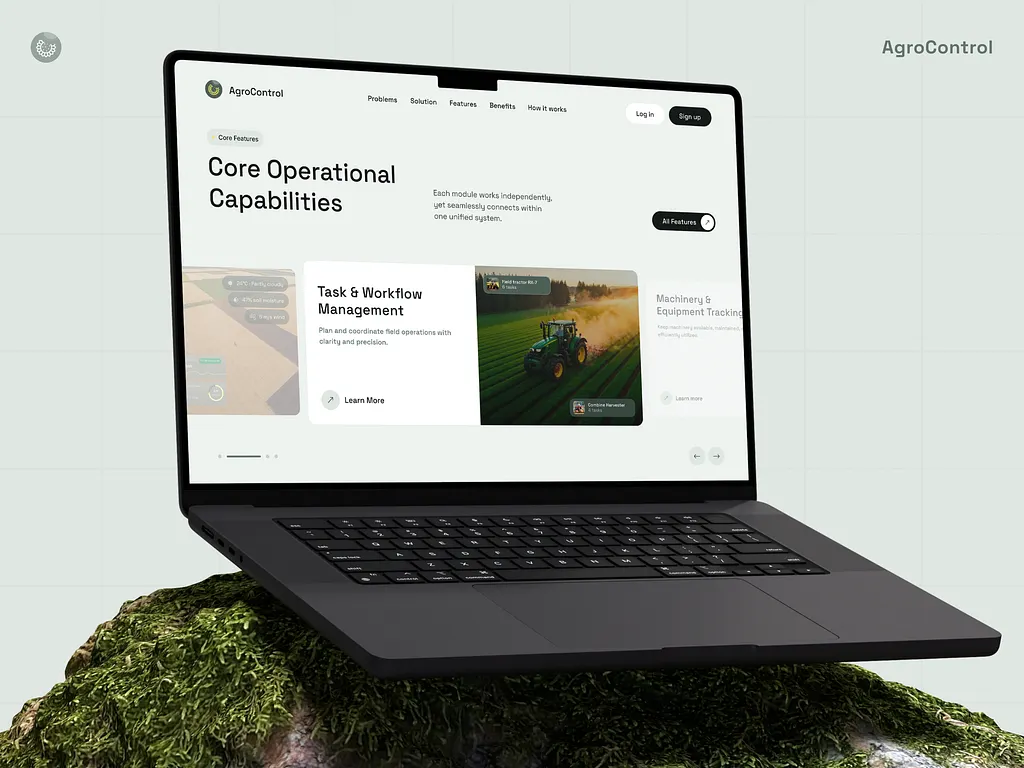
Before launch, every claim about a product is a prediction. You have a specification, some research, a few usability sessions with people who knew they were being watched, and a lab performance score taken on a fast machine over a good connection. All of it is useful. None of it is evidence.
Take one Core Web Vital. Interaction to Next Paint measures how long the interface takes to respond visually after a real person taps or clicks something. There is no synthetic version of that number worth trusting, because it depends on which controls people actually reach for and on the devices they hold. Field data in the Chrome User Experience Report is aggregated over a rolling twenty-eight-day window and assessed at the seventy-fifth percentile, so the first trustworthy reading of how your product behaves in the world lands about a month after go-live. Under a project contract, that is a month after the team went home.
The same delay applies to almost everything else worth knowing.
The two or three months after launch are not the quiet tail of a project. They are the most information-dense period in the product's life, and the ordinary contract deliberately excludes them.
The usual objection is that this is already handled. Most build contracts include a defects period, thirty or sixty or ninety days in which the studio fixes what is broken. That is a good thing to have and it does not solve this problem, because it is scoped against the specification rather than against reality.
Competitive pricing, our full attention, and a studio that will still be answering the phone in a year.